
Purium Review: MLM Model Abandoned for Affiliate Sales
- MLM News
- October 28, 2026
Purium is making one of the biggest changes in its history.
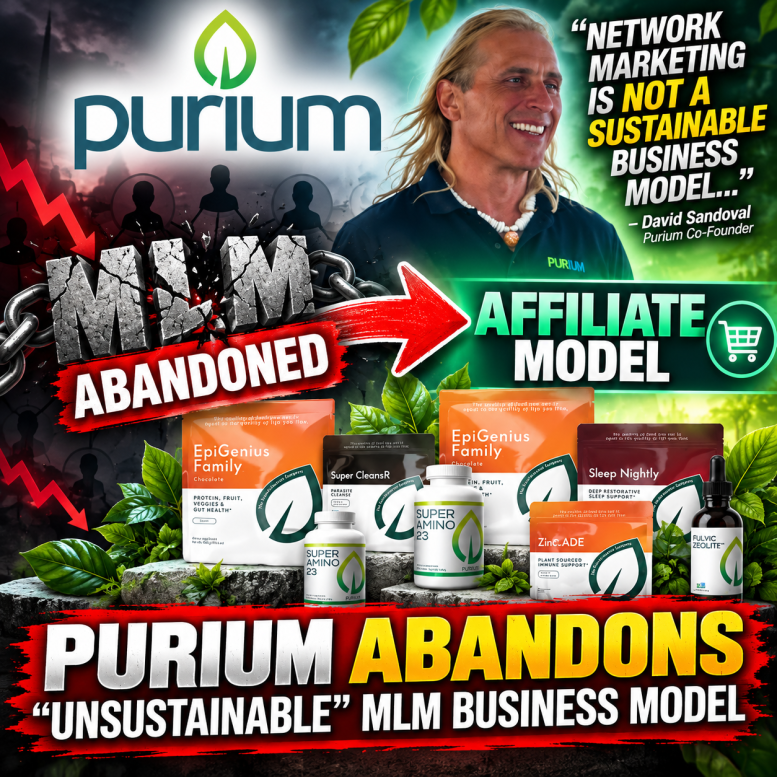
After years of operating as a multilevel marketing company, the nutritional supplement business announced on October 22, 2026, that it would abandon its MLM compensation structure and transition to a traditional affiliate marketing model.
The announcement came directly from Purium co-founder David Sandoval, who acknowledged that network marketing was not a sustainable long-term business model for the company.
That’s a significant admission from someone who spent years building a business around MLM.
But the announcement goes much deeper than changing how commissions are calculated.
Sandoval also claimed that he and fellow co-founder Amy Venner had accumulated more than $2 million in debt while keeping Purium operating.
There are also unresolved questions about commissions potentially owed to existing distributors.
So why is Purium abandoning MLM, how will its new affiliate program work, and what does this mean for the people who built their businesses around the company?
Let’s examine the details.
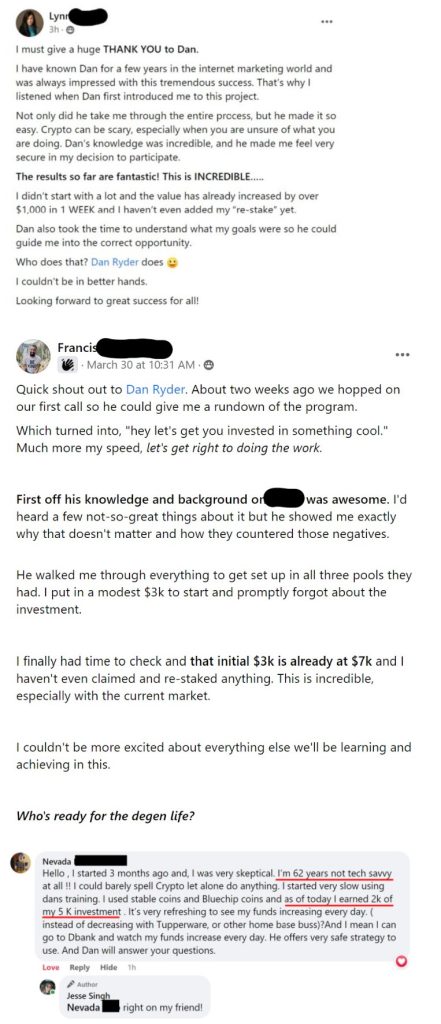
If you’re looking for legitimate ways to build income online, my good friend Dan offers a FREE training showing a crypto cash flow strategy that has helped people achieve approximately 3% to 10% per month while maintaining 100% control of their own funds (as with any investment, results aren’t guaranteed).
You’ll also hear from Paul, who teaches complete beginners how to build an online business using AI and proven systems.
Both have been faithfully helping people for years, and I’ve seen some incredible testimonies.
Most importantly, remember that our greatest hope is never found in money, but in Jesus Christ. These are simply tools that can help us become wise stewards of what God has entrusted to us.
Proof this works:
Now, let’s dig in.
Why Is Purium Abandoning Network Marketing?
During a corporate presentation described as a “prep rally” on October 22, Sandoval announced that Purium would no longer operate as a network marketing company.
The company would continue selling nutritional products, but its distributors would no longer earn commissions through a traditional multilevel downline structure.
Instead, affiliates would receive commissions based on their own referred customer purchases.
Sandoval also acknowledged that Purium had received warnings about the long-term sustainability of network marketing.
His comments suggested that the company had not taken those warnings seriously enough.
That distinction is important.
Purium isn’t simply adjusting a bonus percentage or introducing a new leadership rank.
It is abandoning the fundamental compensation structure that defined its MLM opportunity.
For distributors who spent years building teams, developing downlines, and pursuing residual commissions, this represents a major change.
Purium’s Tough Choice: Healthy Customers or Wealthy Distributors?
One presentation slide framed the company’s decision as a choice between making people healthier and making people wealthier.
That’s an interesting way to explain a business-model transition.
A nutritional supplement company should naturally prioritize delivering products that customers genuinely want and find valuable.
But creating a sustainable income opportunity should not require sacrificing customer value.
Ideally, a legitimate business should be able to serve its customers, compensate its sales partners fairly, and remain financially sustainable.
The real question is whether Purium’s previous compensation structure placed too much financial pressure on the company.
The announcement suggests management concluded that the existing MLM model could not continue.
However, the supplied information does not establish precisely which expenses, compensation obligations, or operational problems made the model unsustainable.
Without detailed financial statements, we cannot independently determine the full reasons for the change.
Purium’s Founders Claim More Than $2 Million in Debt

Perhaps the most concerning part of the announcement involves Purium’s financial position.
Sandoval claimed that he and Amy Venner had gone more than $2 million into debt while keeping the business operating.
That is a substantial amount of money.
However, the statement does not establish whether the debt consists of personal loans, company liabilities, shareholder advances, or another form of financial obligation.
Nor does it establish Purium’s total outstanding liabilities.
Nevertheless, the founders’ description suggests that maintaining the business had become financially difficult.
A company can generate substantial sales while still struggling with profitability and cash flow.
Revenue alone does not guarantee financial stability.
Manufacturing, inventory, commissions, shipping, customer service, technology, and administrative costs all affect the bottom line.
If those expenses consistently exceed available revenue, even a company with loyal customers can experience serious financial pressure.
Purium’s transition appears intended to create a more manageable operating structure.
Whether that will be enough remains uncertain.
Are Purium Distributors Owed Unpaid Commissions?
Another important concern involves commissions that may still be owed to existing MLM distributors.
During an earlier conversation with Purium’s leadership, Sandoval reportedly acknowledged uncertainty about whether certain commission obligations could be paid.
He indicated that continued revenue generation would affect the company’s ability to meet those obligations.
The exact amount potentially owed was not disclosed in the supplied information.
This leaves several important questions unanswered.
How many distributors are affected?
What commissions remain outstanding?
When were those commissions earned?
Will the company establish a formal repayment schedule?
And how will the transition affect existing contractual obligations?
For distributors who depended on Purium income, these questions are far more important than promotional enthusiasm about the new affiliate program.
A compensation-plan transition should not leave earned commissions without a clear explanation or payment process.
Purium needs to communicate transparently with affected distributors about any outstanding balances.
Purium’s New Affiliate Compensation Plan Explained
Purium’s new affiliate model is scheduled to begin on October 31, 2026.
Under the new structure, affiliates earn commissions on purchases made by customers they personally refer.
The announced rates are:
| Customer Purchase | Affiliate Commission |
|---|---|
| New customer’s first order | 20% |
| New customer’s autoship order | 15% |
| Customer’s subsequent orders, including autoship | 10% |
The plan describes a higher rate for a new customer’s autoship order and a lower rate for subsequent orders. Affiliates should consult the complete official terms for how those categories apply to individual transactions.
The major difference is that there are no multilevel commissions based on a recruited distributor network.
An affiliate’s income depends on their ability to attract customers who purchase Purium products.
This is much closer to conventional affiliate marketing.
It also creates a clearer connection between customer purchases and affiliate earnings.
However, a simpler compensation structure does not automatically make an affiliate opportunity profitable.
Affiliates still need to consider product pricing, customer retention, marketing expenses, refunds, and the amount of time required to generate sales.
Affiliates Cannot Earn Commissions on Their Own Purchases
One important rule in Purium’s new plan is that affiliates will not earn commissions on their own orders.
Commissions are also excluded from orders shipped to an affiliate’s registered address.
This is a meaningful change.
In some MLM systems, personal purchases contribute toward qualification requirements or compensation volume.
That can create incentives for participants to purchase products primarily to maintain their business status.
Purium’s new rules appear designed to focus commissions on purchases made by genuine referred customers.
From a customer-sales perspective, that is a positive structural change.
It reduces the incentive to treat an affiliate’s own consumption as commission-generating business activity.
However, the effectiveness of the policy will depend on how it is enforced.
Purium’s Six-Month Customer Attribution Rule
The new affiliate plan also introduces an important customer-retention rule.
Customers remain associated with their referring affiliate for a six-month attribution period.
If six months pass without an order, the customer can be released from that affiliate relationship.
This means an affiliate may lose commission rights connected to a customer they originally introduced.
For example, imagine you refer someone to Purium.
That customer places an order and then stops purchasing.
After the applicable inactivity period, the customer is released.
If they return later through another qualifying referral channel, the original affiliate may no longer receive commissions.
This creates a strong incentive for affiliates to maintain relationships with their customers.
But it also introduces another concern.
Purium’s House Accounts Could Compete With Affiliates
Under the new plan, Purium can acquire customers directly through its own marketing efforts.
These customers may become what the company calls house accounts.
The official compensation-plan example describes a customer who originally purchased through an affiliate, became released after the attribution period, and later returned through a Purium email.
In that situation, the customer becomes a house account.
The original referring affiliate does not automatically regain commission rights.
This is not necessarily unusual in affiliate marketing.
Many programs use attribution windows.
But there is a significant difference between an individual affiliate and the company operating the program.
Purium potentially has access to a much broader customer database, established email-marketing infrastructure, brand recognition, and direct promotional channels.
An individual affiliate may have only their own customer list and marketing resources.
That creates a possible competitive imbalance.
Purium can market directly to previously released customers while affiliates compete to retain or reacquire those same buyers.
Affiliates should understand this rule before investing heavily in customer acquisition.
If you spend money attracting a customer, you need to know how long you may receive commissions from that relationship.
What Products Does Purium Sell?

Purium continues to market nutritional and wellness products.
Its reported product offerings include individual supplements, lifestyle subscriptions, and bundled products described as biohack packs.
The company has historically emphasized nutritional programs, transformation packages, and recurring product purchases.
Some of its earlier programs carried substantial monthly costs.
For example, a previously reviewed transformation program was priced at approximately $870 per month.
That historical price should not be assumed to represent current pricing.
However, it illustrates why product affordability matters.
Under a traditional affiliate model, customers should have a compelling reason to purchase the products even when they have no interest in earning commissions.
That raises several questions.
Are Purium’s products competitively priced?
Do customers continue purchasing because they genuinely value the products?
Can the products compete against similar offerings from established retailers?
Are the company’s health and wellness claims supported by reliable evidence?
And can affiliates attract enough repeat customers to make their marketing efforts worthwhile?
Those questions will help determine whether Purium’s new model succeeds.
Is Purium’s New Affiliate Model Better Than MLM?
There are potential advantages to the transition.
A conventional affiliate model can be simpler to understand.
Participants earn commissions from their own customer referrals rather than managing complex downline structures.
There may also be less emphasis on recruiting people into an income opportunity.
However, there are disadvantages.
Existing distributors may lose income connected to their downlines.
Affiliates must generate their own customer sales.
The six-month attribution rule limits the duration of certain customer relationships.
And Purium’s direct marketing through house accounts could compete with affiliate efforts.
The company’s reported financial difficulties also remain a concern.
Ultimately, the new compensation plan should be judged by whether it creates a sustainable business for Purium and a fair, profitable opportunity for its affiliates.
Can Purium Survive Without MLM?
That’s the biggest question.
Purium has an existing product line, brand recognition, and a history of customer relationships.
Those assets may help it transition toward a more conventional sales model.
However, removing multilevel commissions does not automatically solve financial problems.
The company still needs sufficient revenue to cover manufacturing, inventory, fulfillment, marketing, administration, and outstanding obligations.
It also needs to retain customers without relying on the recruitment incentives that previously supported its distributor network.
If Purium can build a loyal base of retail customers who genuinely want its products, the transition may create a more stable foundation.
If it cannot, the new affiliate program may simply delay further financial difficulties.
At this stage, the outcome remains uncertain.
Purium Review: Pros and Cons of the New Affiliate Model
Potential Advantages
- Commissions are connected to personally referred customer purchases.
- The compensation structure is simpler than a traditional MLM plan.
- Affiliates do not earn commissions on their own orders.
- The company may reduce expenses associated with multilevel compensation.
- The model places greater emphasis on retail customer demand.
Potential Disadvantages
- Existing MLM distributors lose their traditional downline commission structure.
- Questions remain about potentially unpaid commissions.
- The founders have reported significant debt.
- Customer attribution can expire after six months of inactivity.
- Purium’s house-account marketing may compete with affiliates.
- Long-term profitability under the new structure remains unproven.
Final Verdict: Purium Is Making a Major Change, but Questions Remain
Purium’s decision to abandon MLM is significant.
Its own co-founder acknowledged that network marketing was not sustainable for the company’s long-term future.
That statement deserves attention.
The new affiliate program could create a simpler and more customer-focused business model.
But the transition also raises legitimate concerns about outstanding commissions, financial obligations, customer ownership, and affiliate profitability.
The founders’ reported debt of more than $2 million adds another layer of uncertainty.
For existing distributors, I would recommend obtaining written clarification about earned commissions and the terms of the transition.
For prospective affiliates, I would focus on genuine customer demand, product pricing, commission attribution, and realistic profitability after expenses.
A new compensation plan can change how a company pays people.
It cannot replace the need for a financially sustainable business.
Before You Chase Another Opportunity, Consider What Matters Eternally
I’ve spent years examining business opportunities because I believe people deserve accurate information before making financial decisions.
But there’s something far more important than finding the right compensation plan.
Knowing Jesus Christ as your Lord and Savior.
Jesus asked a powerful question in Mark 8:36:
What does it profit a person to gain the whole world but lose their soul?
Think about that.
You could build a successful business.
Earn millions.
Own beautiful homes.
Travel the world.
And still miss the greatest gift God offers.
The Bible teaches that all of us have sinned and fallen short of God’s glory.
Our sin separates us from God, and no amount of money, success, or good works can remove that separation.
But God, in His love and mercy, provided the way to salvation.
Jesus Christ, the Son of God, lived a sinless life, died on the cross for our sins, and rose from the dead on the third day.
He defeated death.
And through repentance and faith in Him, we can receive forgiveness and eternal life.
Ephesians 2:8–9 teaches that salvation is by grace through faith, not something we earn through our own works.
If you don’t know Jesus Christ, I encourage you to seek Him sincerely.
Open the Gospel of John.
Read His words.
Learn why He came, why He died, and why His resurrection changes everything.
Turn from sin and put your faith in Jesus Christ as your Lord and Savior.
Businesses will change.
Compensation plans will change.
Money will come and go.
But the truth of Jesus Christ remains.
Your greatest treasure isn’t financial freedom. It’s eternal life through Jesus Christ.
All glory and praise to our Lord and Savior, Jesus Christ!
Tired of Scams? Here’s My #1 Recommendation
If you landed on this blog, you’re probably looking for a legitimate way to make money online.
Before we talk about business, I want you to know something far more important:
My greatest desire isn’t simply to help you make money—it’s to help you come to know Jesus Christ. Money comes and goes, but eternal life through Him lasts forever.
That said, God calls us to be wise stewards and to avoid deception. That’s why I expose scams and share opportunities that I personally believe can genuinely help people.
Today, I’d like to show you TWO income streams that have worked well for several years.
The first is a free training where we’re helping students generate approximately 3% to 10% per month ROI on their crypto while maintaining 100% control of their own funds. (As with any investment, results are never guaranteed.)
The second teaches you how to build an online business using AI and proven systems that can work for you 24/7.
Here are just a few results:
This student literally got started a few days ago and was already making around $5 per day!
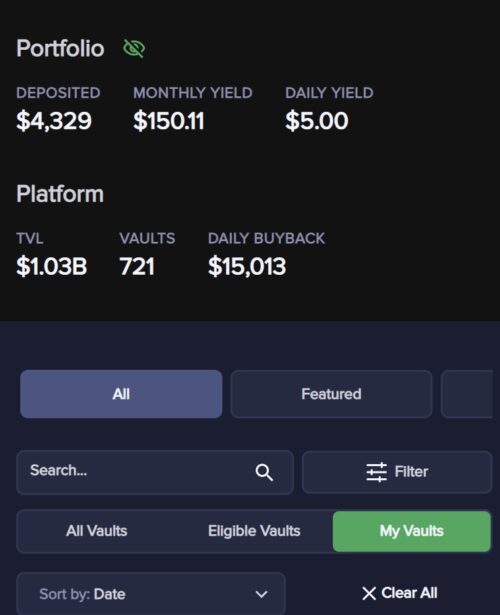
We have students earning incredible rewards that have been truly life-changing.
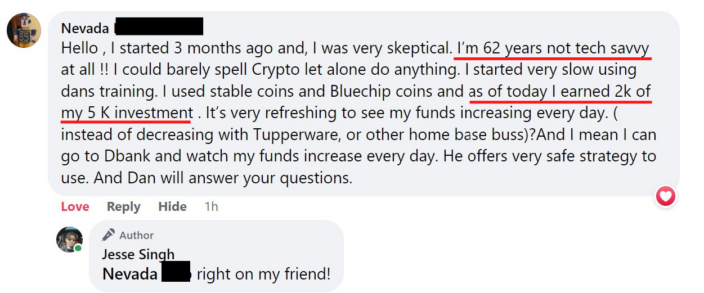
Take a look at one of our 62-year-old students who profited over $2,000.
Now we want to help YOU.
We have complete beginners building their first online income, along with students who have been with us for nearly a year and are seeing tremendous success.
The Digital Economy is one of the best opportunities available today for those willing to learn and stay consistent.
But remember this:
Financial freedom is wonderful, but knowing Jesus Christ is infinitely greater. He died for your sins, rose again three days later, and offers forgiveness, peace, and eternal life as a free gift to everyone who believes in Him.
If you haven’t accepted His gift of salvation, I encourage you to turn to Him today.
Follow me on social media below:
- Subscribe To My YouTube Channel Here.
- Follow Me On Facebook Here.
- Follow Me On Instagram Here.
- Follow Me On Twitter Here.
- Follow Me On Gab Here.
God bless you,

– Jesse Singh
P.S. If you’re tired of failing in business, click here and watch the free training. More importantly, if you don’t know Jesus Christ, seek Him with all your heart. He is the greatest treasure you’ll ever find.